GrüvType Back to P1Lab
Objects and material culture
The Field Guide · Published by GrüvType

A catalog of
the material world.

Useful things. Remarkable things. Things worth knowing. An illustrated annual of objects, makers, places, materials, collections and the worlds around them.

One annual volume. A world to explore.

The Field Guide is an illustrated annual catalog of the material world and the people who shape it. Each edition brings together remarkable objects, useful instruments, materials, places, practices and collections.

We select the subjects, establish the connections and construct each annual as a coherent editorial work. A feature may examine an extraordinary object, enter a working studio, explore a material, visit a remarkable garden or introduce a maker whose work deserves attention.

The result is a publication to browse, read, consult and keep. Open it looking for one thing. Discover something else along the way. Return to a favourite subject whenever the occasion arises.

The catalog as an instrument of discovery.

The great illustrated catalogs did more than present things. They opened windows onto the world. They brought tools, books, equipment, ideas, makers and discoveries into a single place, giving readers the opportunity to encounter things they might never have found otherwise.

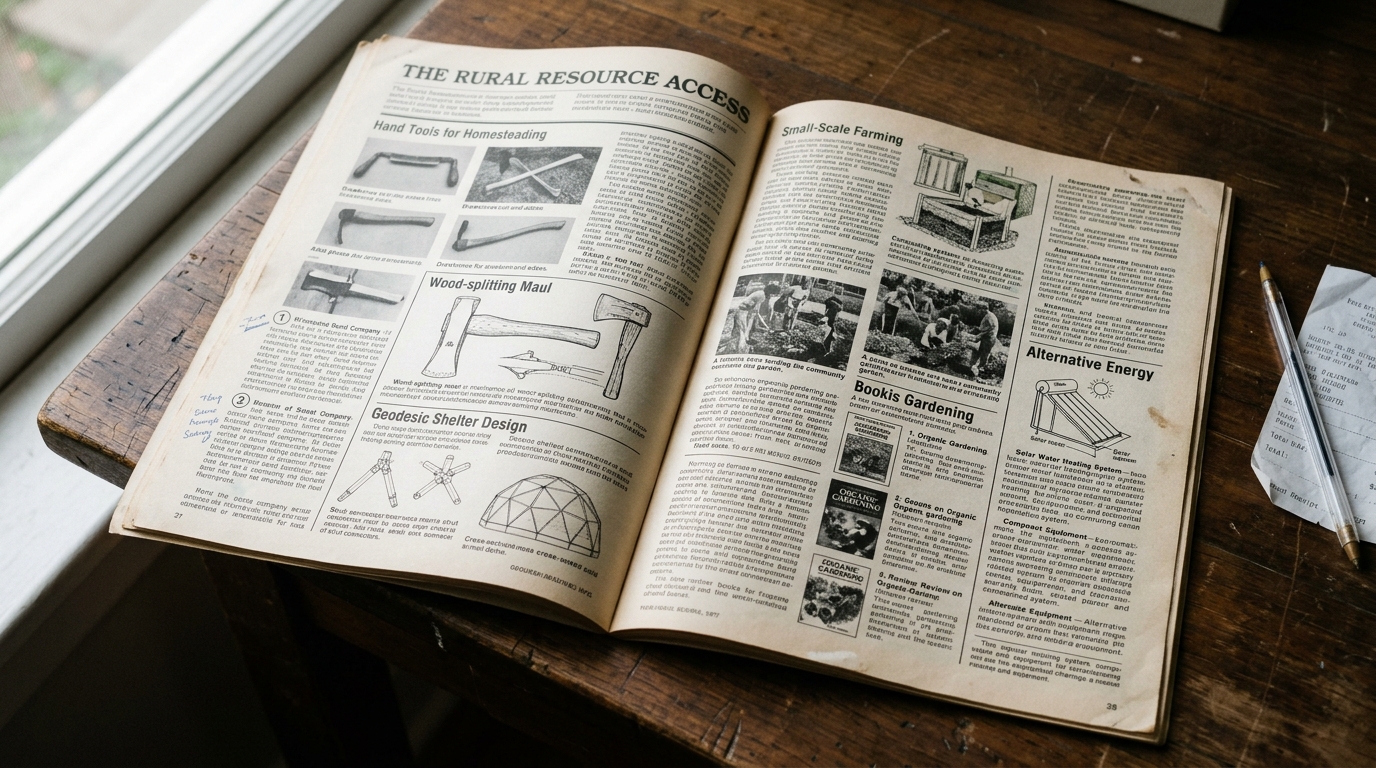
Historical Whole Earth Catalog

The catalog of ideas

The Whole Earth Catalog made selection an editorial act. Books, tools, resources and practical knowledge formed an interconnected universe, organized around discovery and use. Its pages connected things to ideas and ideas to the means of putting them into practice.

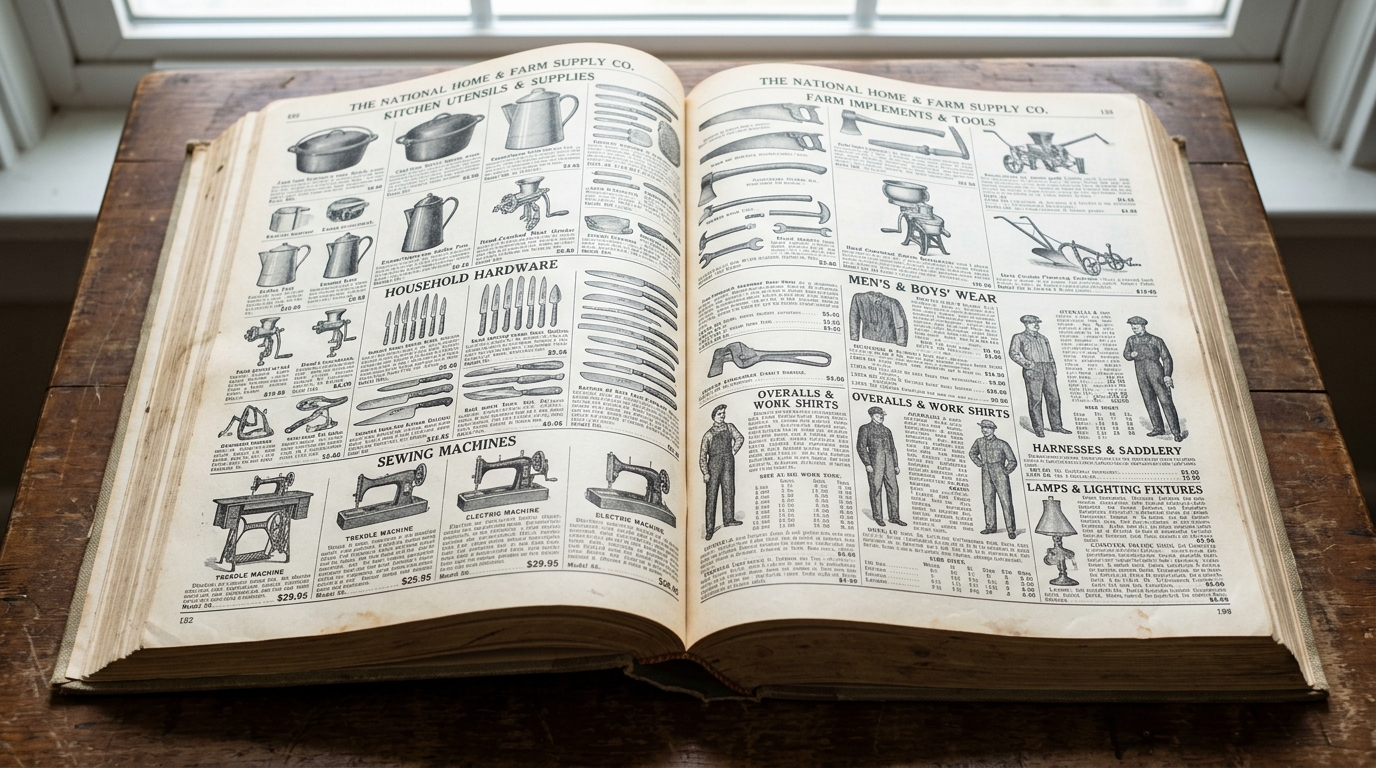
Historical Sears Roebuck mail-order catalog

The catalog of things

The great Sears catalogs brought the material world within reach. Objects, specifications, manufacturers and possibilities occupied the same browsable volume. The catalog was a practical map of what could be found, used, made and brought into the home.

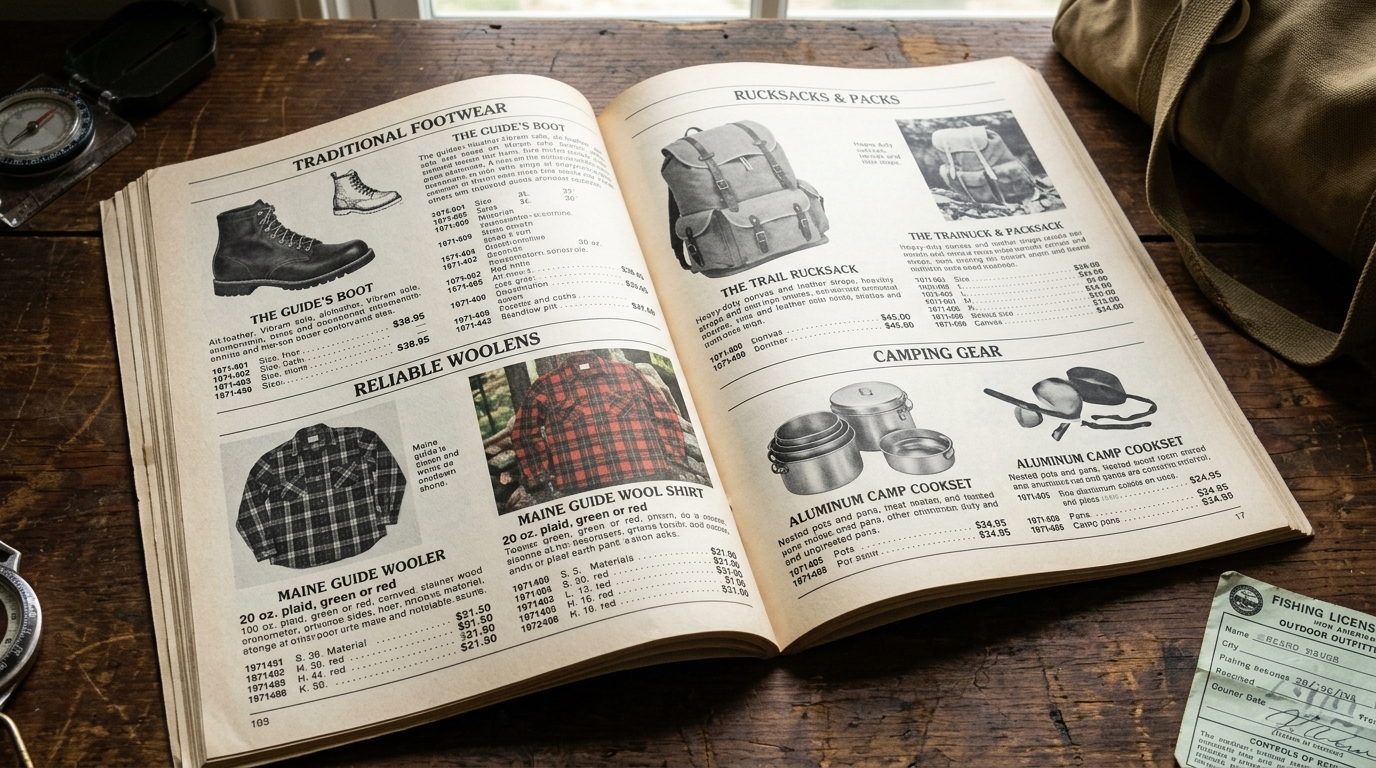
Historical L.L.Bean outdoor equipment catalog

The catalog of a way of life

L.L.Bean brought equipment, clothing and practical knowledge together around an identifiable world of outdoor pursuits. Its catalogs made the reader a participant in that world, connecting useful goods with field experience, craftsmanship and place.

The Field Guide brings these traditions together: editorial selection, useful knowledge, remarkable objects and the pleasure of discovering something new.

A world of subjects.
One editorial view.

The material world does not divide itself into neat departments. An object leads to its maker. An instrument reveals an engineering tradition. A material carries the history of its origin and use. A place brings together landscape, work and culture.

The Field Guide follows these connections. Six editorial entry points organize the collection—not as exclusive categories, but as ways of looking at the things people make, use, cultivate, preserve and pass on.

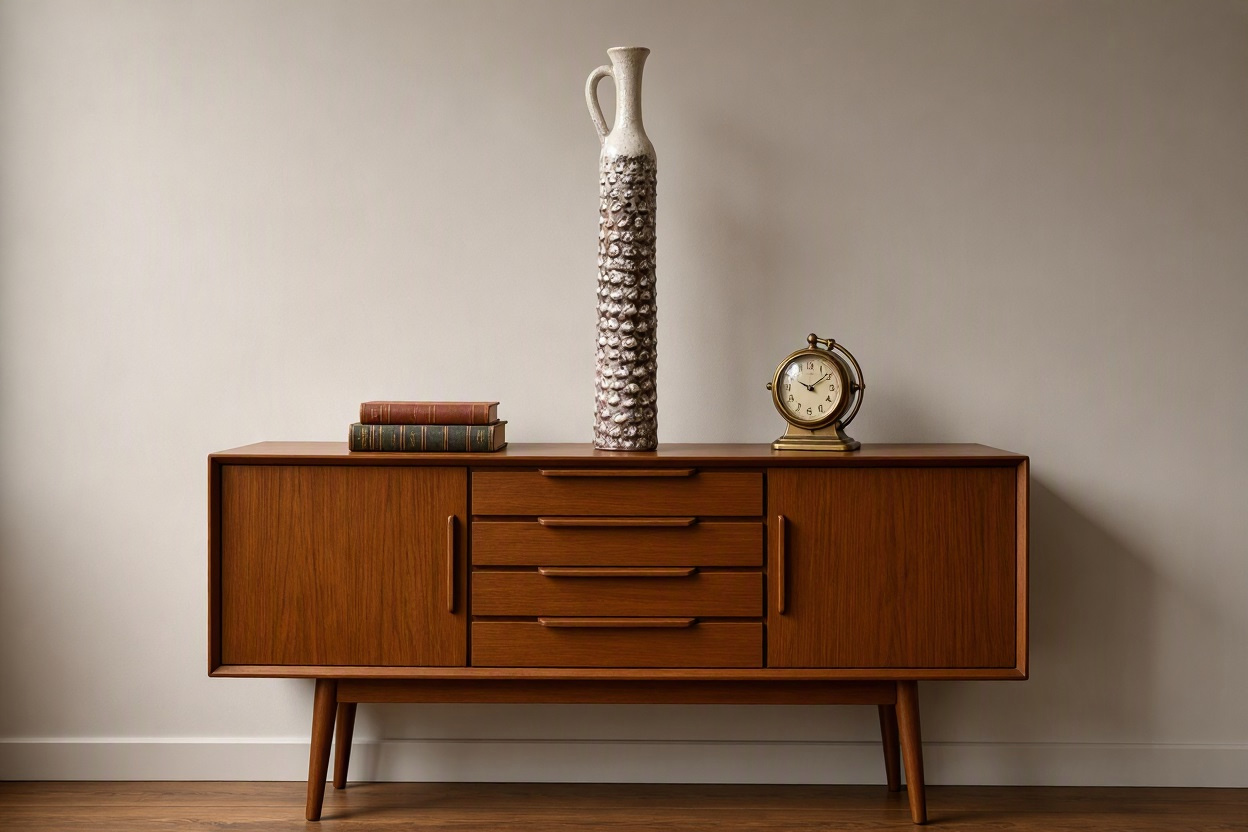
Antiques and collected objects
01 / THE OBJECT

Things made to last.

Objects made to be used, lived with, admired, collected and preserved. We look at form, function, workmanship, provenance and the histories that accumulate around remarkable things.

Furniture / Antiques / Games / Design / Domestic objects
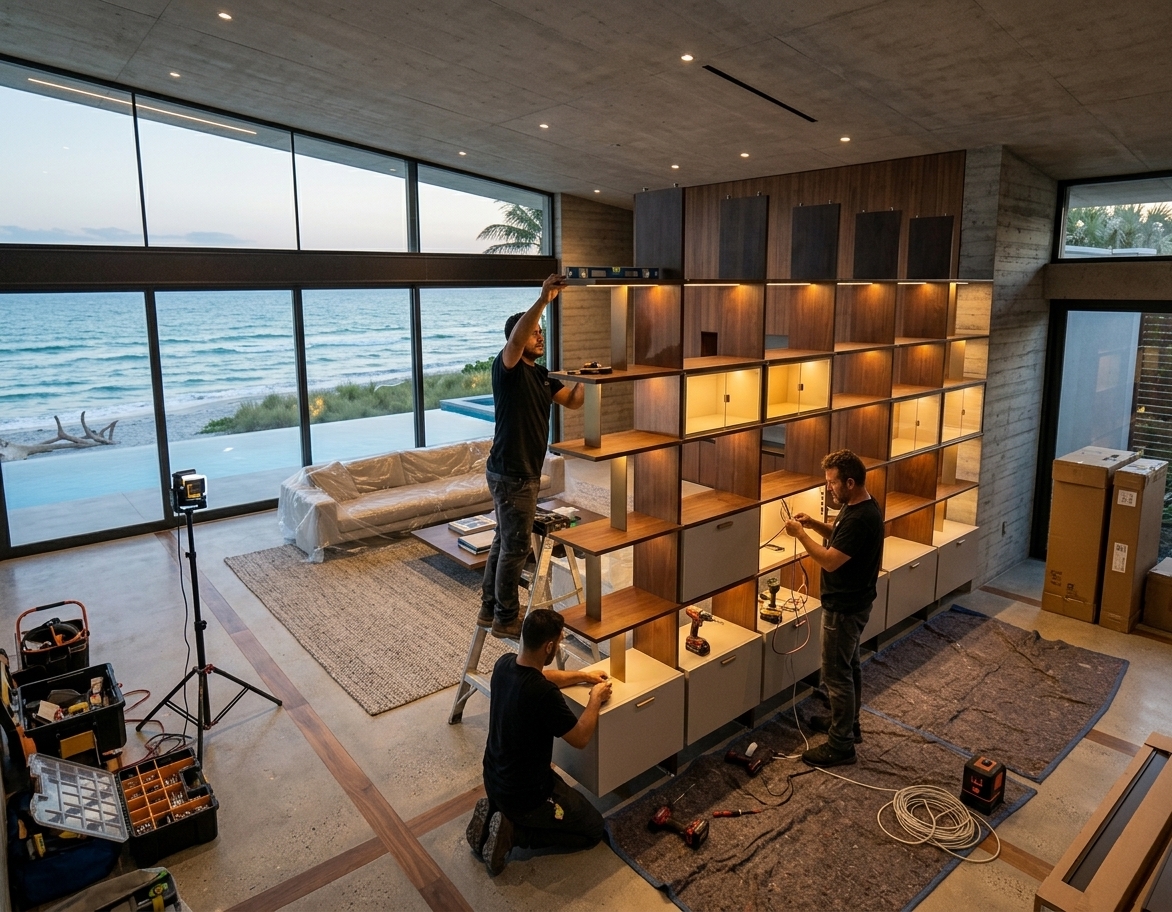
Traditional workshop tools and instruments
02 / THE INSTRUMENT

Tools of human ingenuity.

Tools, machines and equipment that extend human ability. Their design reveals engineering, practical intelligence and the accumulated experience of people who make and use them.

Workshop tools / Printing presses / Boats / Appliances / Machines
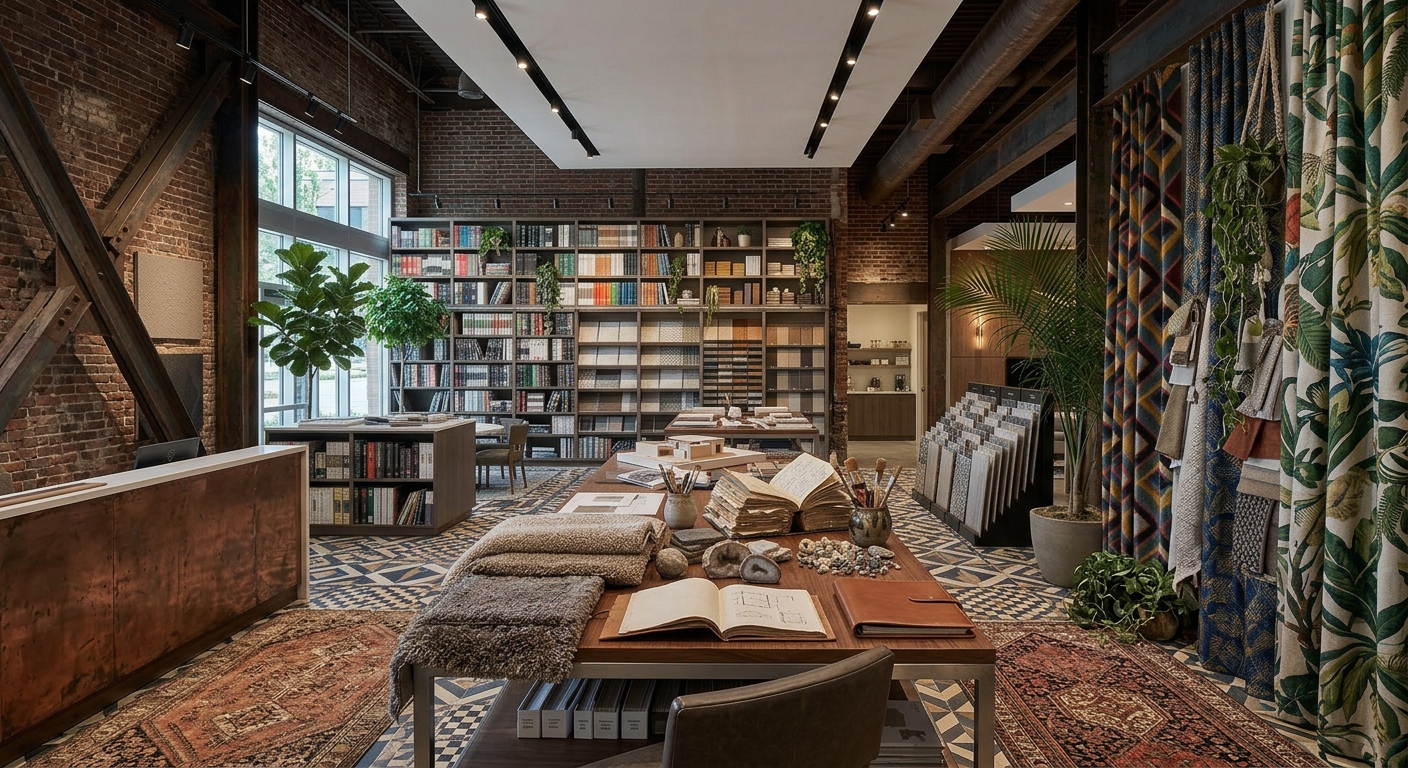
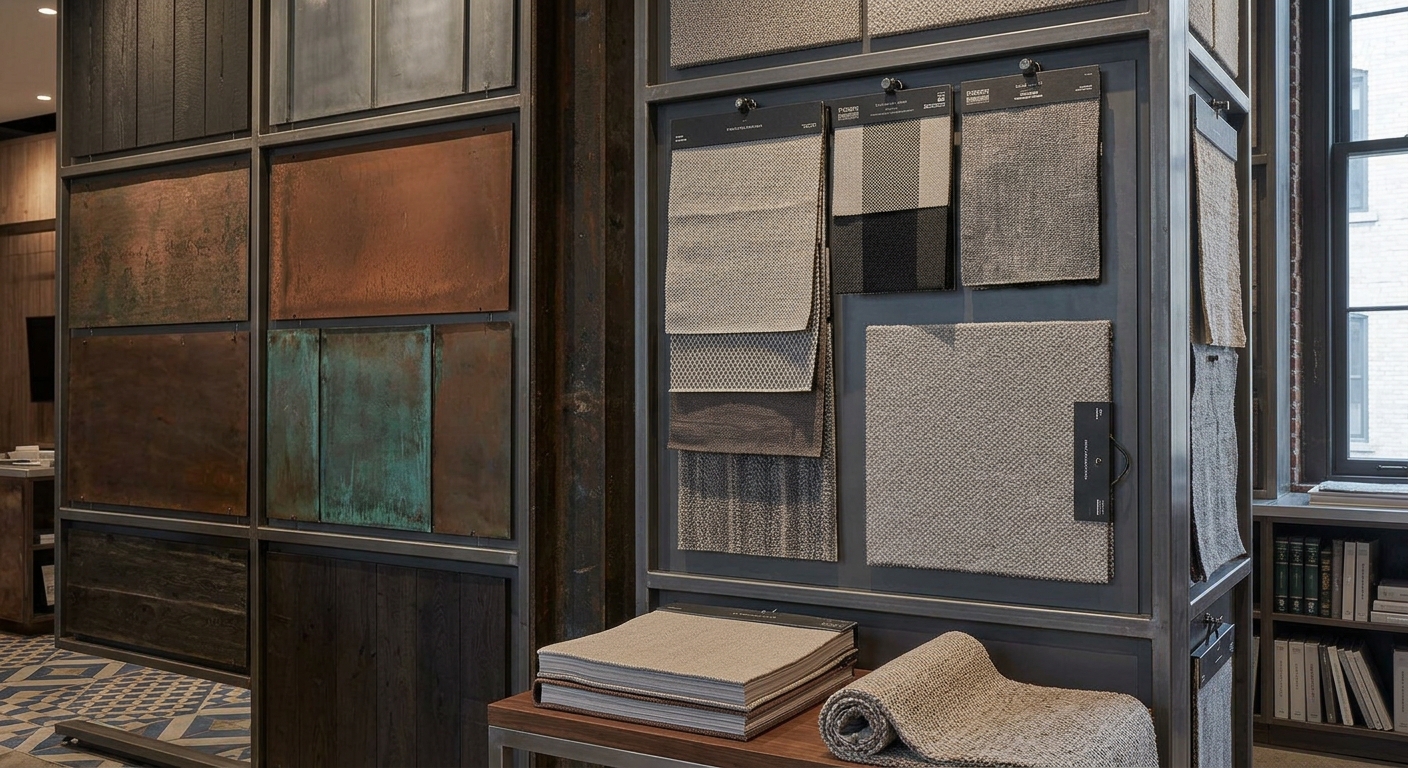
Interior materials, surfaces and finishes
03 / THE MATERIAL

What things are made of.

The substances, properties and processes behind the objects around us. We examine where materials come from, how they behave, how they are worked and what makes one application exceptional.

Wood / Stone / Metal / Paper / Glass / Textiles / Ceramics
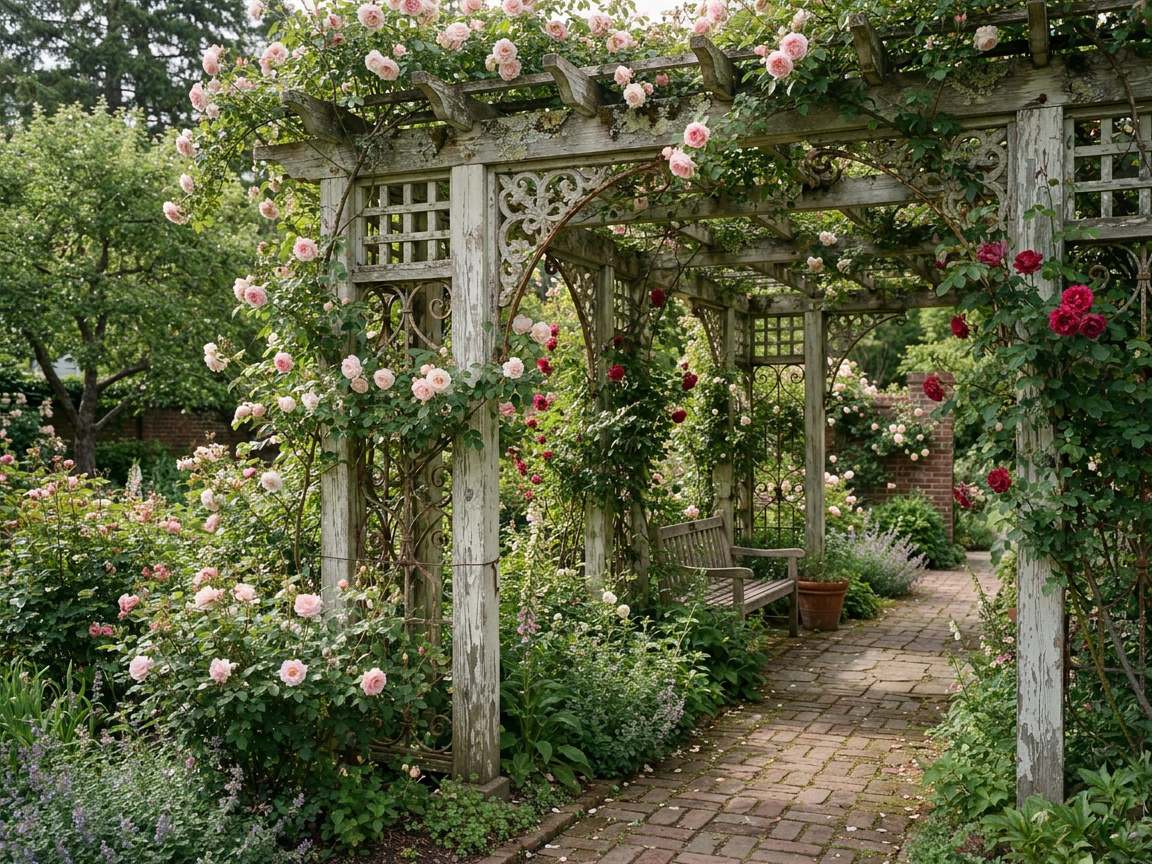
Botanical garden and cultivated landscape
04 / THE PLACE

Worlds shaped by nature and people.

Gardens, interiors, vineyards, workshops, boatyards and landscapes. Places reveal the relationship between environment, design, regional character, history and the people who give them life.

Gardens / Interiors / Vineyards / Boatyards / Landscapes
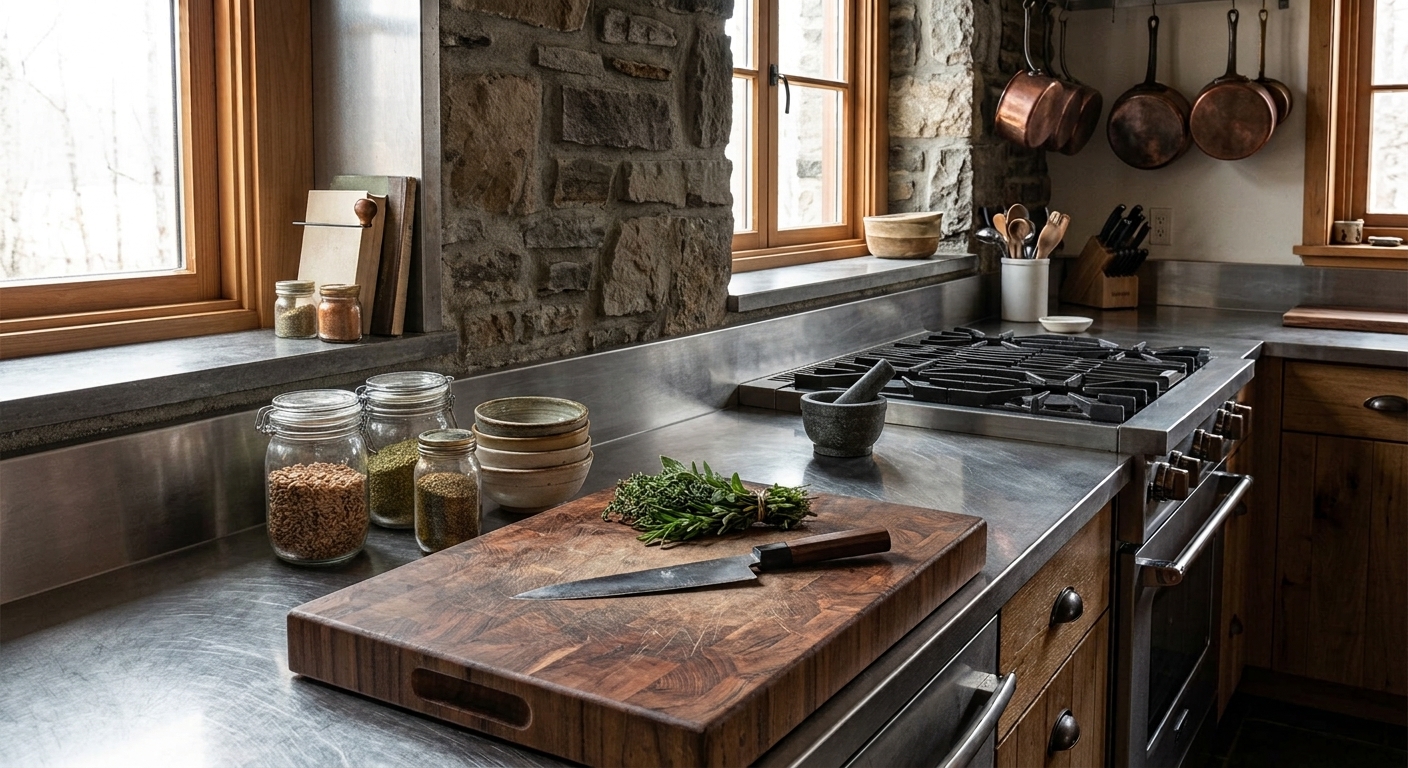
Traditional kitchen tools, ingredients and food preparation
05 / THE PRACTICE

Knowledge put to work.

The methods, skills and traditions through which people do things well. Cooking, cultivation, printing, restoration, building, navigation and preservation all carry knowledge worth documenting.

Cooking / Cultivation / Printing / Restoration / Making
Wine region and vineyard landscape
06 / THE COLLECTION

What time brings together.

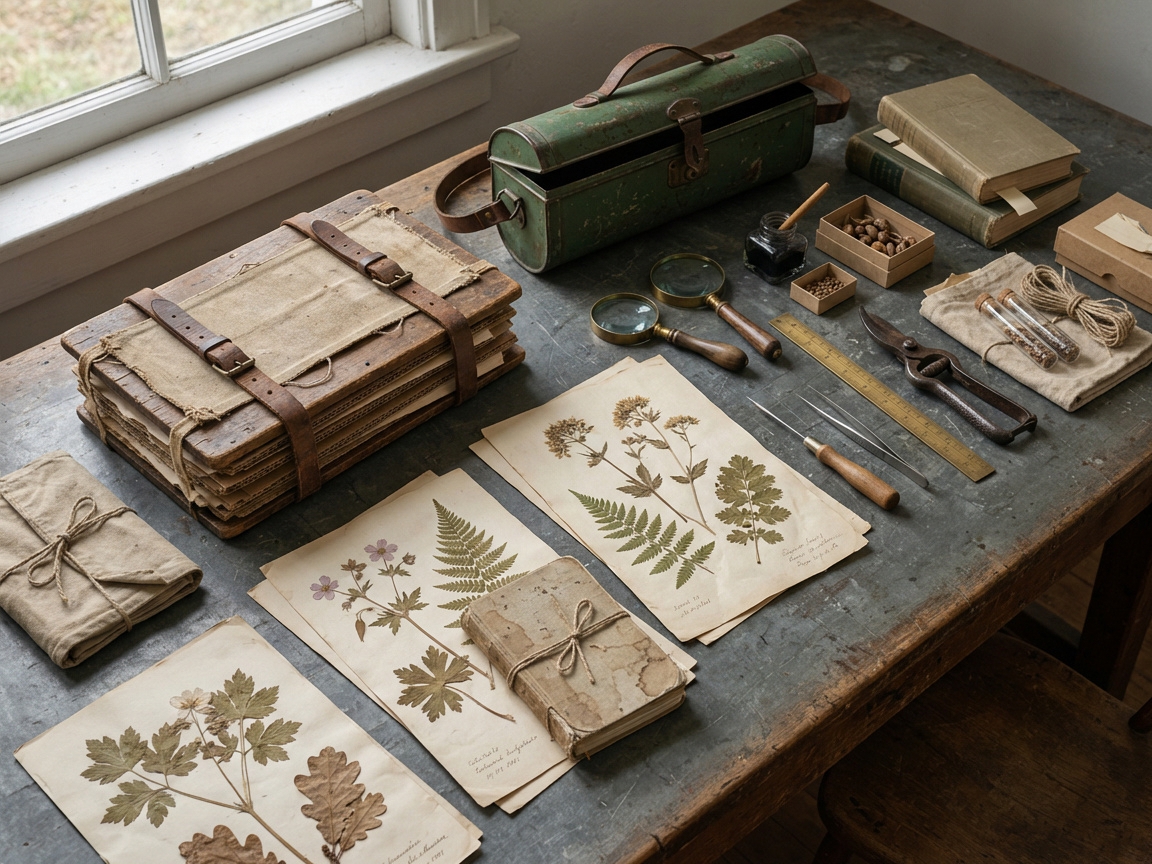
Objects, records and specimens assembled over time. Collections preserve memory, reveal patterns and tell the stories of industries, crafts, families, institutions and ways of life.

Antiques / Archives / Rare books / Botanical collections / Records

More than a collection
of beautiful things.

A remarkable object can lead to its maker. A tool can open an investigation into engineering and technique. A garden can reveal a world of botanical knowledge, climate and design. A collection can preserve the history of an industry, a craft or a way of life.

Editorial selection of objects and material culture
Objects / Collections / Provenance / Craft
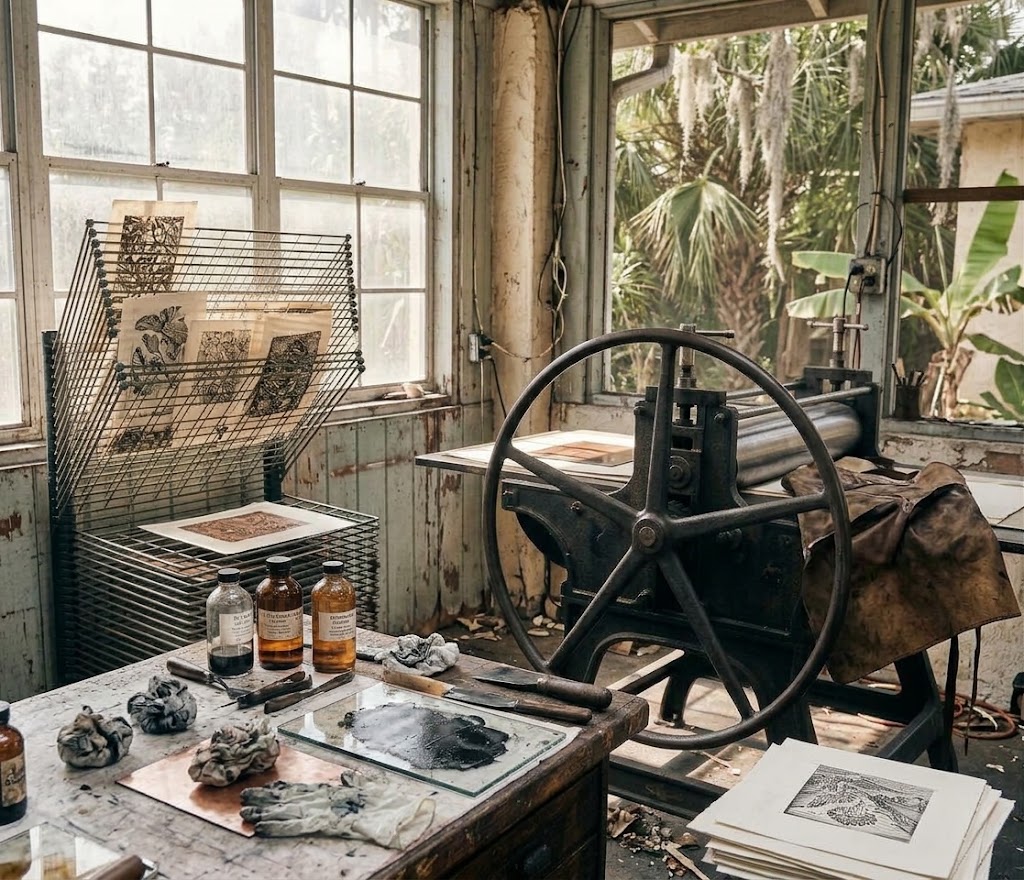
Documentary photography of a working craft studio
Workshops / People / Processes / Knowledge

A feature might explain how something is made, where it comes from, why it matters, what makes it exceptional and where to discover more.

Go to the source.

We work directly with the people and organizations closest to each subject: makers, manufacturers, retailers, restorers, collectors, institutions, specialist businesses and private collections.

A manufacturer may hold decades of industrial design history. A salvage business may document architectural materials across generations. A workshop may possess photographs, drawings and practical knowledge unavailable anywhere else. A garden may contain a living collection that tells a much larger story.

These sources give The Field Guide its depth and specificity. We investigate the material, establish its context and decide how it contributes to the larger publication.

Collections & Archives Historical photographs, product archives, drawings, records, catalogues, collections and original documents.
People & Places Makers, workshops, gardens, showrooms, boatyards, studios, historic properties and specialist locations.
Knowledge & Experience Technical expertise, practical experience, historical detail, regional knowledge and first-hand accounts.
Original Material Documentary photography, illustrations, maps, diagrams, technical drawings and archival imagery.
Editorial Selection The Field Guide establishes the context, verifies the material and makes every final editorial decision.

Bring us something worth knowing.

Many organizations possess material with a value that extends well beyond their immediate business: historical archives, extraordinary collections, specialist knowledge, original photography, technical records and access to remarkable people and places.

The Field Guide provides an editorial setting in which this material can be examined, documented and placed in a wider cultural and practical context. We handle the research, writing, selection, editing and publication.

Contributors provide accurate information, appropriate access and clear reproduction rights for any material they supply. Their contribution becomes a source for independent editorial work, not a purchased placement.

1. Discover We identify subjects, collections, organizations and people with material of genuine interest.
2. Investigate We obtain images, records, access and information directly from rights holders and subject specialists.
3. Establish context We research, verify and connect the material to the wider subject and The Field Guide's editorial plan.
4. Publish Selected material enters The Field Guide with appropriate credits, permissions and editorial treatment.

A proper book.
A reference to keep.

The Field Guide is conceived as a substantial illustrated volume: a book for the bookshelf, the worktable and the reading room. Its photography, typography, illustrations and page design serve a common purpose: making a satisfying physical publication that readers will use as much as read.

Browse its pages without an agenda. Follow a subject from beginning to end. Find an object, discover its maker, examine its construction or explore the world surrounding it. Return to the book when the occasion calls for it.

Each edition becomes a record of the subjects, people, places and things selected for that edition.

ISBN 978-1-989647-99-8

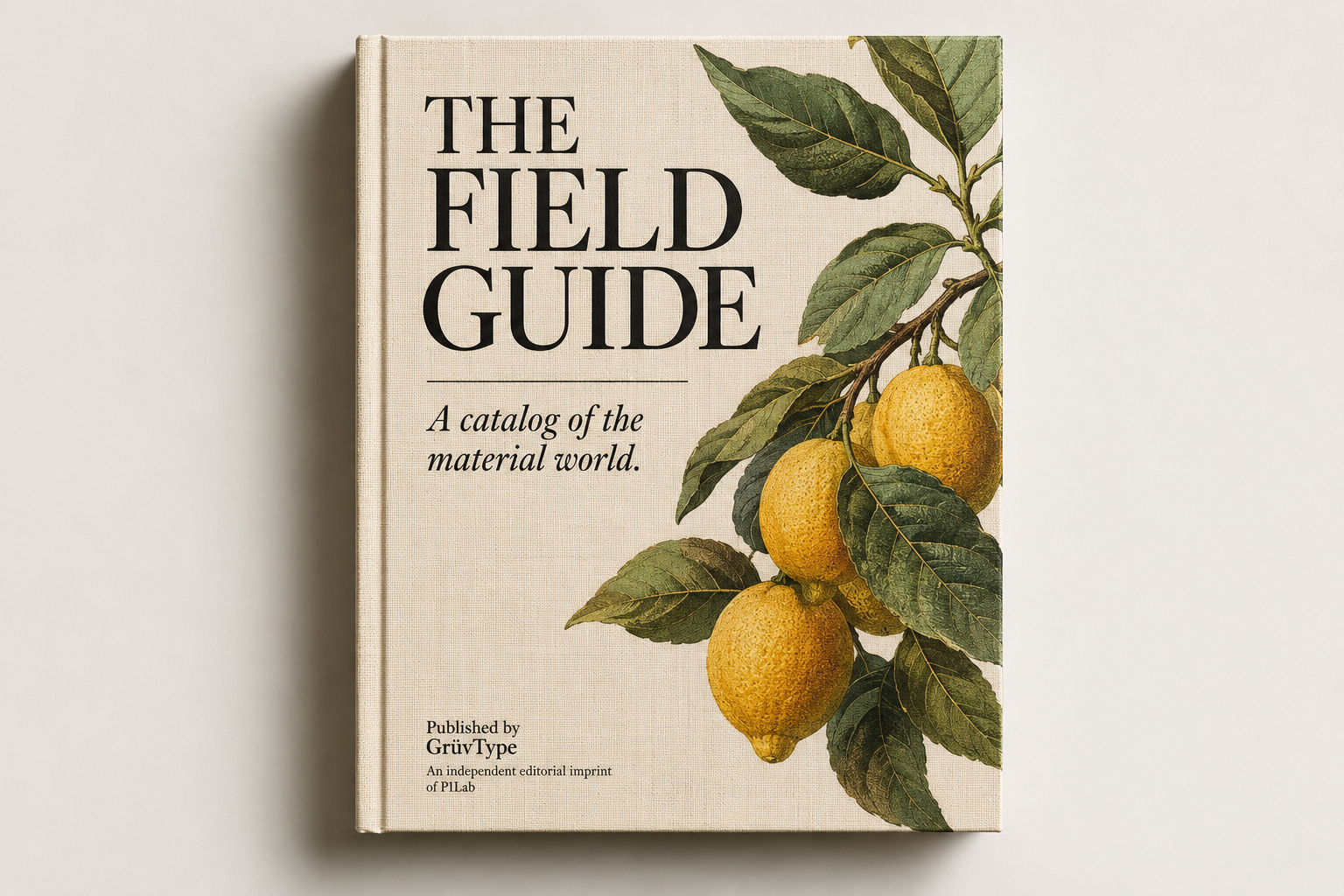
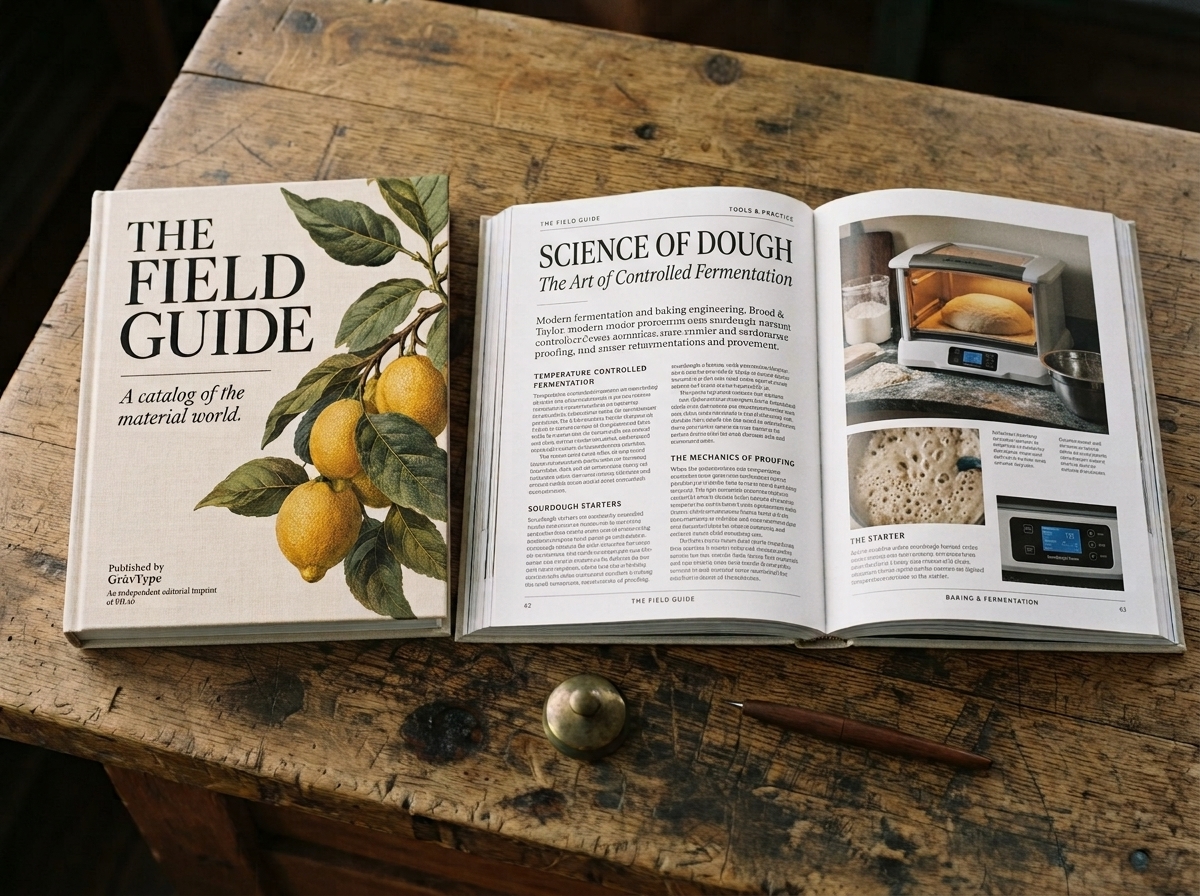
The Field Guide book cover mockup
The Field Guide — Book design and publication development
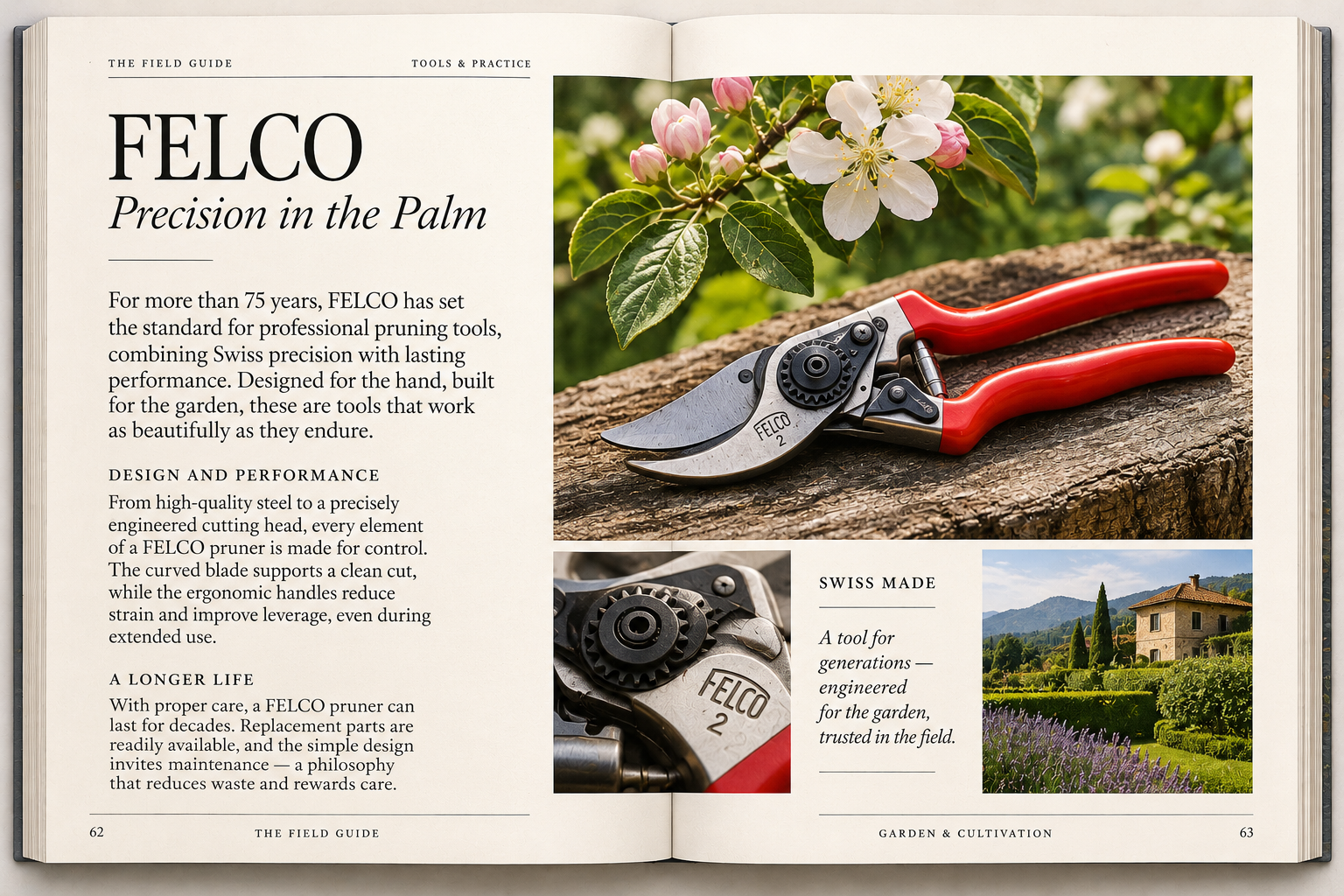
The Field Guide interior spread design mockup
Editorial typography / Image selection / Page composition

The cover and interior shown are original GrüvType design mockups demonstrating the intended approach to editorial design and page composition. They are not the cover or interior of a published annual.

The book is the beginning.
The work extends beyond it.

GrüvType is an independent editorial imprint of P1Lab, publisher of The Field Guide, an illustrated catalog of the material world. The subjects explored in the book extend into original photography, film, research and visual documentation—work developed for publication, commissioned projects and use across other media.

Illustrated books and editorial publications
Books & Editions Research / Writing / Editing / Illustrated Publications
Documentary photography of objects, places and working environments
Photography & Documentation Objects / Materials / People / Places / Process

Selection is the foundation.

The Field Guide is published by GrüvType, an independent editorial imprint of P1Lab. It is an independent editorial undertaking. Companies, makers and institutions can provide material, access, information and expertise. They cannot buy a place in The Field Guide, dictate how a subject is presented or approve our conclusions.

We do not sell advertising disguised as editorial, paid listings, rankings or favorable coverage. We select the material, shape the features and stand behind the finished publication. The reader encounters one considered editorial work, not a collection of purchased placements.

Know the subject.
Have the material.

Have an archive, collection, workshop, business, place or specialist subject that belongs in the catalog? We welcome introductions to remarkable objects, original images, historical records, technical knowledge and people with something worth sharing.

Contact the editors of The Field Guide with a concise introduction to the material and its source.