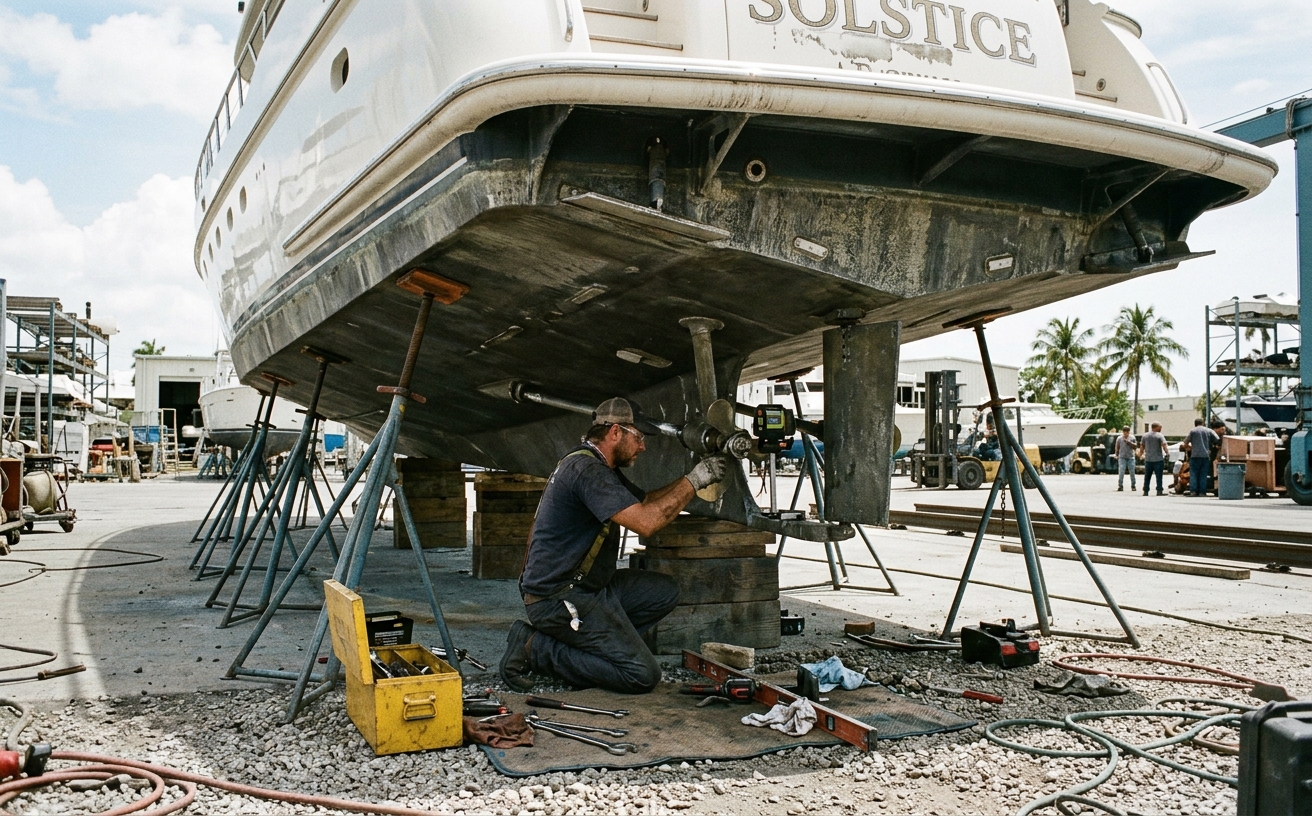
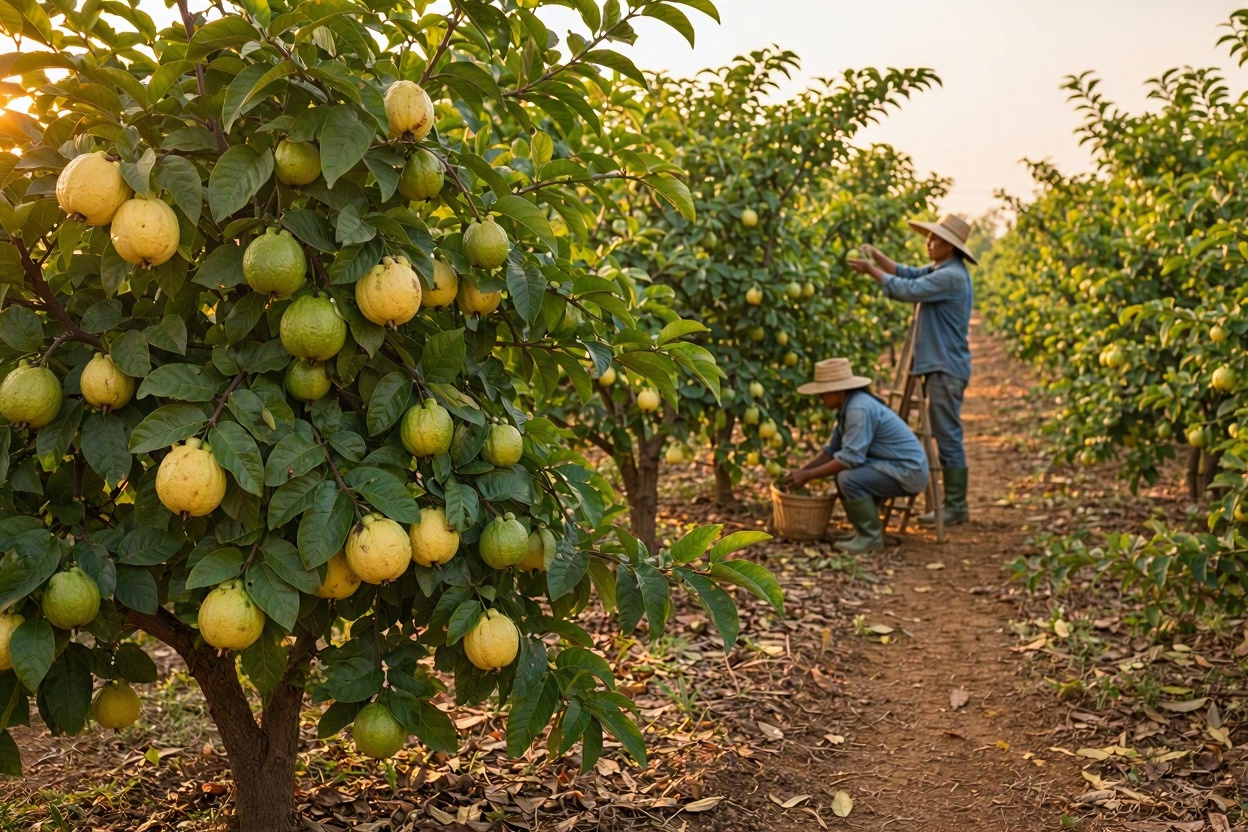
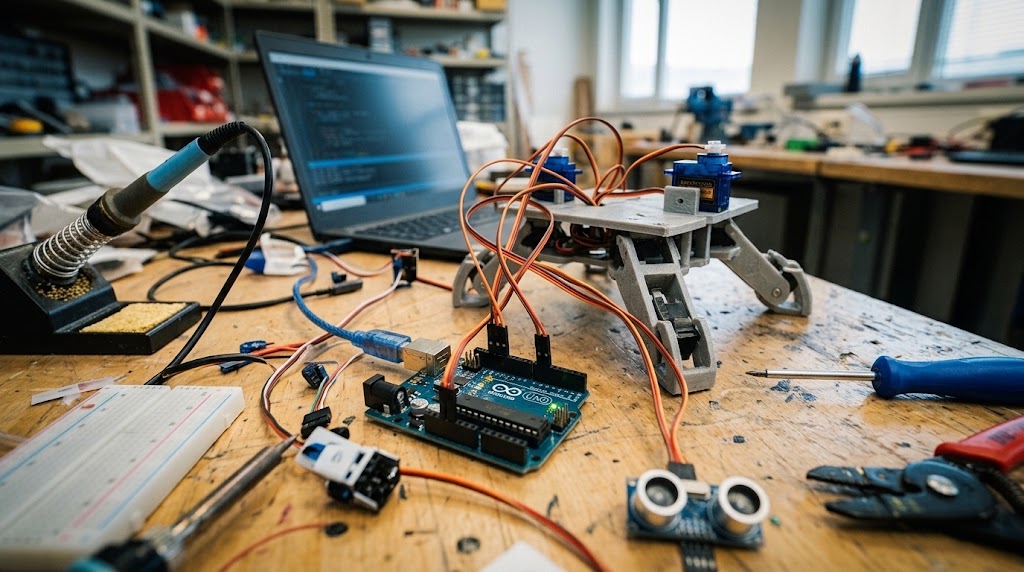
Let the photograph lead.
Full-bleed documentary images invite the reader into a place or practice before the text begins.
FIELD / A P1Lab Collection
FIELD is an ongoing curated collection of professionally produced books documenting distinctive North American businesses, makers, places, products, practices, and specialist knowledge.
Each participant receives a place in a lasting physical publication—and an ongoing association with a collection that P1Lab continues to publish, present, and promote.
FIELD / The Collection
FIELD documents material culture, currently centred on North America: the objects, makers, places, products, practices, and specialist knowledge that reveal how our world is made and understood. The geographic frame guides the collection without setting an absolute boundary; subjects elsewhere may be included when they make a distinctive contribution to its editorial purpose.
Each volume stands on its own as an inviting, carefully edited book. Together, the volumes build a coherent library—preserving a record of distinctive work and knowledge that might otherwise remain scattered, private, or undocumented.
FIELD treats material culture as living culture. A tool, workshop, nursery, boat, collection, or specialist practice can carry history and accumulated expertise. Our purpose is to look closely, establish context, and make that world accessible to readers.
FIELD / The books, together
Every volume has its own photographic identity and editorial character. A shared format, masthead, and print sensibility make the books recognizable as parts of one curated record of material culture.
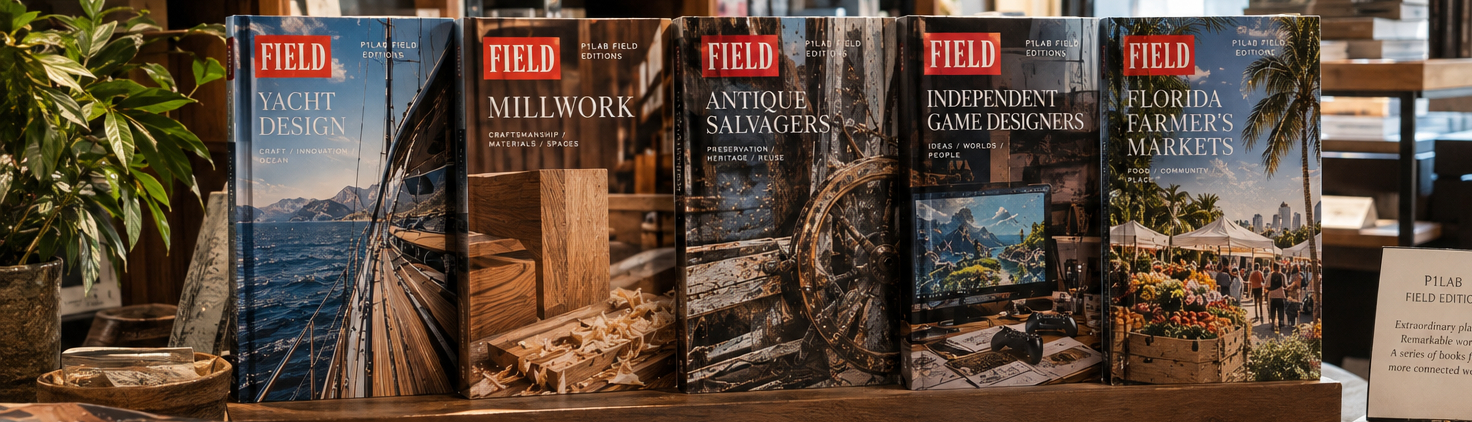
FIELD editions. Original cover designs and interior layouts, composed as a photographic study of the collection in print.
Inside the volumes
Documentary photography, edited text, captions, diagrams, and practical detail work together to record not only what a subject looks like, but how it works, what shaped it, and why it matters. Each book is made to be browsed, read, used, and kept—not merely consulted as a brochure or catalogue.

Every specialist practice carries a history: decisions, tools, materials, and skills that become visible when someone takes the time to look closely.
014How it works, what is made there, who knows it best, and what a visitor should notice.
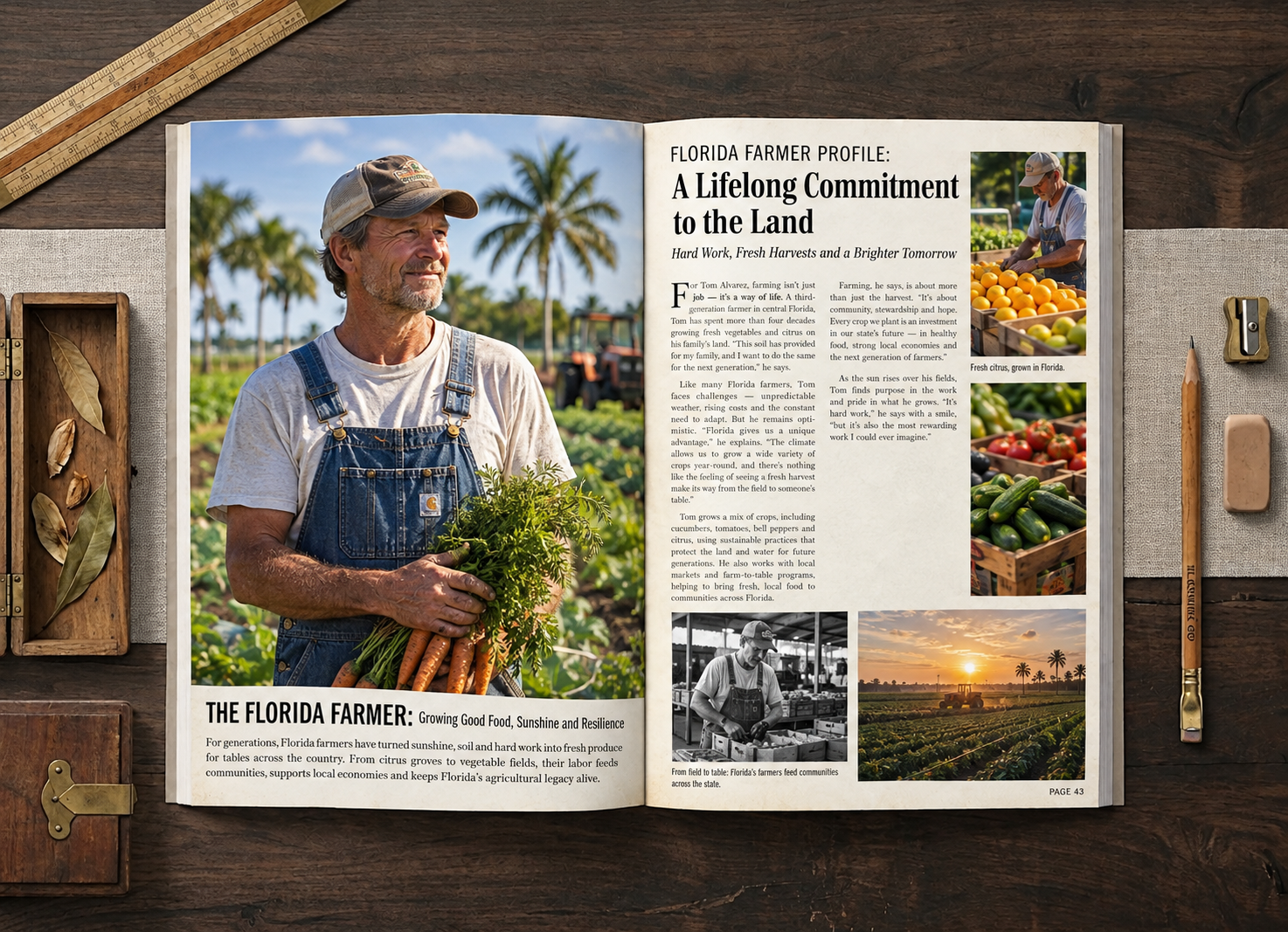
Design studies. P1Lab’s editorial design brings together two complementary traditions: the systematic grids of Swiss graphic design and the photograph-led storytelling of the great American picture magazines of the mid-twentieth century. Modular structure, disciplined typography, varied image scale, and carefully sequenced photography give each page a clear visual logic while allowing every subject its own character. The work draws on the editorial innovations of Alexey Brodovitch and Bradbury Thompson, alongside the design principles articulated by Josef Müller-Brockmann, Allen Hurlburt, and Emil Ruder.
FIELD / Why it looks this way
FIELD draws on the visual language of mid-to-late twentieth-century illustrated print: LIFE, TIME-LIFE books, National Geographic, and American Sunday magazine inserts. These publications made serious subjects accessible through vivid photography, confident headlines, useful captions, and a rhythm that invited browsing. FIELD applies that tradition to material culture: making the details of objects, places, processes, and expertise visible and understandable.
This is not nostalgia for its own sake. It is a way to document contemporary life with care: books that are rich without being crowded, informative without feeling encyclopedic, and considered without becoming austere. The visual experience should invite discovery while respecting the subject.
Full-bleed documentary images invite the reader into a place or practice before the text begins.
Headlines, captions, short essays, and useful details build understanding in clear, inviting steps.
Images, materials, history, and human decisions work together: enough context to understand the subject, with room for the reader to discover it.
Contemporary in purpose. Rooted in the art of printed storytelling.
Beyond the bookshelf
A FIELD title is a commercially published book, not simply a promotional keepsake. It can be sold directly, ordered through retail channels, purchased by participants at wholesale for resale or business use, and kept as a lasting record. As the series grows, its wider catalogue creates continuing opportunities for readers to discover individual titles.
Offer copies to visitors and customers as a tangible purchase connected to a place, product, business, or specialist world they value. Participants can retain the proceeds from their own direct resale.
Acquire additional copies at an agreed participant wholesale price for resale, client gifts, business partners, trade meetings, or events.
Titles are made available worldwide for ordering direct and through Ingram’s distribution network. This provides a route for readers and booksellers to discover and order the books.
FIELD is an ongoing publishing collection, not a one-time appearance. Your title remains part of the growing catalogue, while P1Lab continues to present the collection and identify its participating businesses and subjects through collection-related website pages, catalogue materials, and future communications. As new volumes join the series, the wider collection creates additional contexts in which readers can discover existing titles and the organizations they document.
The pleasure of collecting
FIELD becomes more than a row of titles. It is a growing record of material culture: interests, encounters, places visited, things made, and knowledge worth carrying forward.
The editorial territory
From traditional craft to emerging creative work, from specialist products to working landscapes, FIELD treats the material world as culture. The subjects vary; the respect does not. Each volume has its own editorial purpose; the collection connects them through curiosity, clarity, and care to build a lasting record of how things are made, used, understood, and preserved.
Distinctive companies, independent makers, specialist operations, and the accumulated knowledge that makes their work worth understanding.
Working landscapes, specialist destinations, material traditions, and places best understood through the people who know them.
Tools, instruments, materials, objects, and specialist knowledge documented with clarity, context, and lasting usefulness.
Participate in FIELD
FIELD participation is a place in an ongoing, curated publishing collection—not a media placement or a one-off promotional appearance.
Each participant becomes the subject of a professionally produced book and part of a larger editorial record. The finished publication can be sold, shared with clients and business partners, given to visitors, and ordered through retail distribution.
The relationship continues beyond publication. P1Lab maintains and promotes the growing FIELD collection, keeping existing titles and their participants within its continuing catalogue and collection communications. Each new volume strengthens the identity of the series and adds to the body of work in which every participant has a place.
For organizations with multiple members, tenants, or independent businesses, participation may also offer a way to create a shared publication, with costs potentially distributed among interested participants.
Collection participation
FIELD participation combines editorial selection with professional book production. Your subject becomes part of a curated series, represented in a finished publication that can be sold directly, given to clients and partners, shared with the press, and ordered through retail distribution.
The relationship is not confined to launch day. P1Lab continues to present the collection and identify its participating subjects through collection-related website pages, catalogue materials, and future communications. Each book stands independently while benefiting from its association with the wider series.
Participation includes four finished copies. You may purchase additional copies at an agreed wholesale price and retain the proceeds from your own resale.
| Edition | Length | Scope |
|---|---|---|
| Short | 48–64 pages | For a focused subject with an established body of source material |
| Standard | 80–96 pages | For a broader subject with more material to organise and present |
| Extended | 120–150 pages | For a substantial subject requiring a fuller editorial treatment |
Participation fees are established after reviewing the subject, the available material, and the appropriate editorial scope.
Participation covers editorial development, selection and organisation of source material, image preparation, captions, typography, page design, ISBN, and print-ready files. The final editorial plan and page count are confirmed after reviewing the available material. New photography, interviews, fieldwork, substantial original research, exceptional restoration, and third-party licensing can be scoped separately.
Optional retail-earnings arrangement. Where agreed, P1Lab reports retail sales quarterly and remits the net distribution compensation actually received for the title, less the agreed administration fee per completed retail copy sold. Statements reflect sales, compensation, fees, returns, and adjustments. Funds not yet received carry forward until received. There is no advance or guaranteed sales, and the participation fee is not recouped against retail earnings. Full terms are provided before agreement. Participants who prefer a fixed-fee arrangement can discuss participation without retail earnings.
The participation fee supports the editorial development and production of the book, its publication within the collection, and the agreed continuing association with the series. It is not payment for favorable editorial treatment, advertising space, or guaranteed sales or leads.
Your intellectual property remains yours. P1Lab’s role is to create the book, publish the collection, and manage distribution.
Discuss participation in FIELDA separate route
For businesses with substantial photographs, project records, product materials, technical knowledge, or company history—or projects that call for a more bespoke treatment—P1Lab also produces commissioned books. We develop the structure, edit and shape the material, design the publication, and prepare it for print.
The client retains agreed commercial rights and the revenue from book sales; P1Lab is paid to produce the book and does not take a share of sales. Commissioning a book is a separate engagement and does not automatically determine editorial selection for the curated collection.
Discuss a commissioned bookDocumentary fieldwork
Some subjects cannot be understood from an existing archive alone. P1Lab undertakes deeper documentary work: on-site research, observation, interviews, photography, and the documentation of processes, materials, facilities, and place.
A Field Record may become the basis of a book or a broader documentary publication. Its purpose is to create a reliable, carefully shaped account of a subject whose details, methods, or knowledge deserve to be preserved—not left to memory or a passing description.
Our approach
Every project begins with the subject and the reader: what is distinctive about this world, what is worth understanding, and what deserves to be recorded for the future.
We work from existing material wherever possible, then identify what additional research, interviews, or photography would add. The aim is a reliable, engaging record with a clear editorial point of view—not a sales page transferred to paper.
Start a conversation
Have a subject worth documenting? Tell us about your business, collection, place, product, practice, or specialist knowledge. We will consider its fit with FIELD and outline the relevant publishing route.
Website Image Disclosure
Website imagery may include documentary photography, illustrations, composites, reconstructions, mockups, and generative imagery. These visuals communicate the FIELD publication’s intended character and scope; they are not necessarily documentary evidence.
The FIELD publication is different. Published photographs will document actual places, materials, processes, and activities. Generative imagery will not be presented as documentary evidence.
The website presents the project; the publication records the field.