The 100-Hour Empirical Study
What does the instrument reveal when you spend enough time inside it?
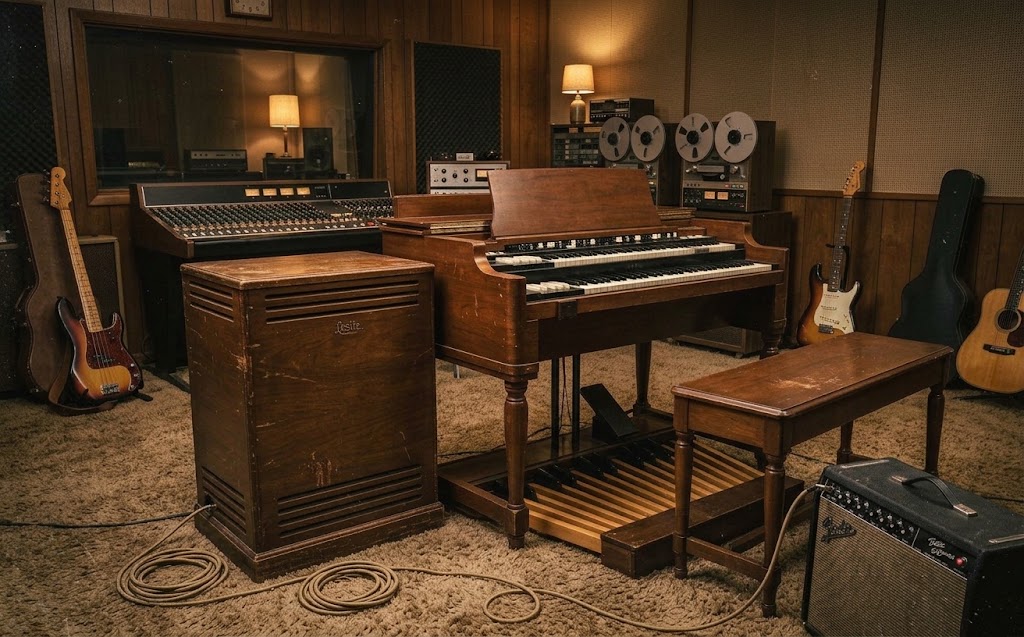
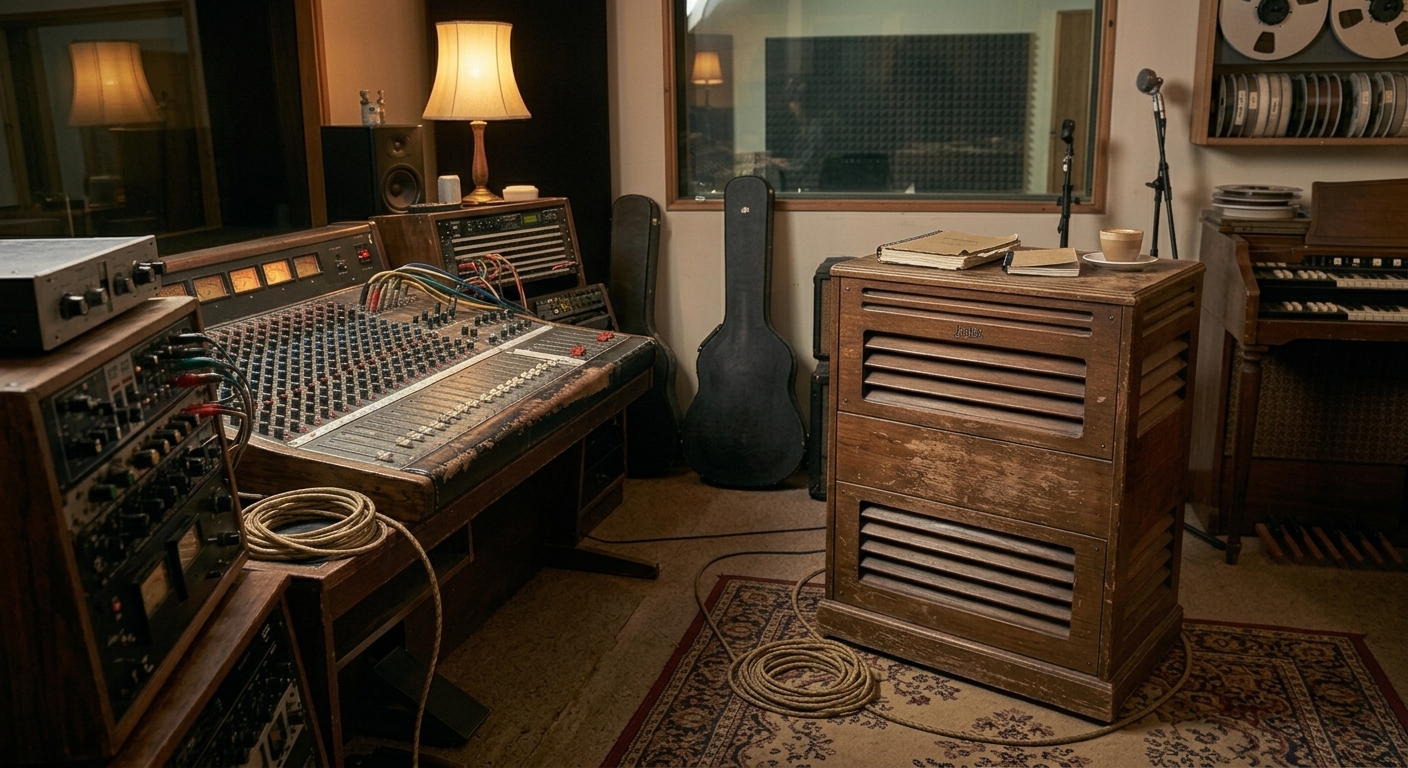
Volume I follows approximately 100 hours of sustained practical engagement with the electronic organ. The purpose is not to present a performance credential or conventional review, but to observe what the instrument itself teaches when its controls, registrations, expression systems, manuals, pedals, voices, effects, and performance conventions become part of everyday use.
01 / Learning
Learning the vocabulary of the instrument.
Manuals, stops, presets, registrations, voicings, couplers, expression, effects, pedal technique, balance, and spatial placement are encountered as practical problems rather than as abstract specifications.
02 / Inhabiting
Discovering what becomes second nature.
Sustained use reveals which controls become intuitive, which relationships require conscious attention, and how the instrument changes the physical and musical behavior of the player.
03 / Listening
Hearing what the instrument is actually doing.
The study pays attention to attack, sustain, decay, spatial behavior, registration, balance, articulation, expression, simulated acoustics, and the differences between what an interface suggests and what the ear actually receives.
04 / Reflection
What changed after sustained exposure?
The first volume records the shift from unfamiliar object to inhabited instrument: what becomes clear, what remains difficult, and what deeper questions emerge only after the instrument has been used extensively.